

Resource Hub
Browse the repository by scrolling through the available resources, filtering to narrow results by topic or audience, or using the search feature. Click on any resource to learn more and access it directly from its original source.
Crafted 4 Care: Practicing Virtues for Christian Formation, Group Participant Workbook
Workbook guiding Christian small groups through structured virtue practices—gratitude, empathy, compassion, trust, mindfulness, forgiveness—to cultivate biblical love via weekly exercises, biblical reflections, and group dialogue.
KEYWORDS: open access / free access; ATS Student Data and Resources Consultation (2025); Christian formation; compassion training; emotional intelligence; empathy exercises; gratitude practice; slide deck; small group curriculum; spiritual disciplines; virtue ethics; workbook resource

A Mixed-Method Intervention Study on Relational Spirituality and Humility among Religious Leaders
Mixed-method intervention study of 136 emerging religious leaders tests whether change in humility corresponds to change in differentiation and God attachment during a humility cultivation intervention.
KEYWORDS: attachment behavior; God concepts; humility; intention; intervention; leadership; spirituality

Virtues as Mediators of the Associations between Religious/Spiritual Commitment and Well-Being
Longitudinal study of 580 seminarians tests whether virtues mediate the religious/spiritual commitment–well-being link, finding cross-sectional but not longitudinal mediation through blessedness and forgiveness.
KEYWORDS: construct validity; factor analysis; religiousness; virtues; well-being

Embodied Virtue: A Model of Virtuous Caring for Practical Theology and Christian Formation
Practical theology article proposing a virtue-based model of caring and Christian formation grounded in moral psychology and Wesleyan thought.
KEYWORDS: open access / free access; generative care virtues of generative care; journal article; moral likeness model of spiritual maturity; practical theology; Wesley's affectional moral psychology
A Reflective Guide to Effective Evaluation for Theological Schools
ATS Commission on Accrediting guide presenting a principle-based, practice-oriented framework for institutional and educational evaluation in theological schools.
KEYWORDS: open access / free access; ATS Standards of Accreditation (2020); Checklist for Effective Assessment; educational effectiveness; evaluation and assessment; institutional planning; student learning; student learning outcomes; theological schools
Standards of Accreditation (with Self-Study Ideas)
Current ATS Commission Standards, articulating principles and expectations for graduate theological education. This version embeds optional self-study ideas to help schools interpret accrediting requirements and demonstrate alignment.
KEYWORDS: open access / free access; ATS Board of Commissioners; ATS Standards of Accreditation (2020); Commission on Accrediting of ATS (COAATS); comprehensive visit for accreditation/reaffirmation; educational mission and institutional effectiveness; graduate theological schools; mission and vision; planning, evaluation, and educational assessment; self-study ideas; student learning and formation; theological education

An Assessment Workbook for Roman Catholic Seminaries
A two-part resource by NCEA and ATS (2018) comprising a workbook with case studies designed to help Roman Catholic seminaries evaluate student learning and degree program effectiveness.
KEYWORDS: open access / free access; ATS Standards of Accreditation (2012); Catholicism; degree program effectiveness; educational assessment; priestly formation; seminary curriculum; student learning outcomes; workbook resource; case study

Re-Engaging the Wesleyan-Holiness Tradition in Response to Diversification and Fragmentation in Theological Education
Case study of Nazarene Theological Seminary's Wesleyan-Holiness approach to spiritual formation curriculum and assessment amid diversification and fragmentation of theological learning platforms and contexts.
KEYWORDS: assessment; curriculum; diversification; spiritual formation; Wesleyan-Holiness
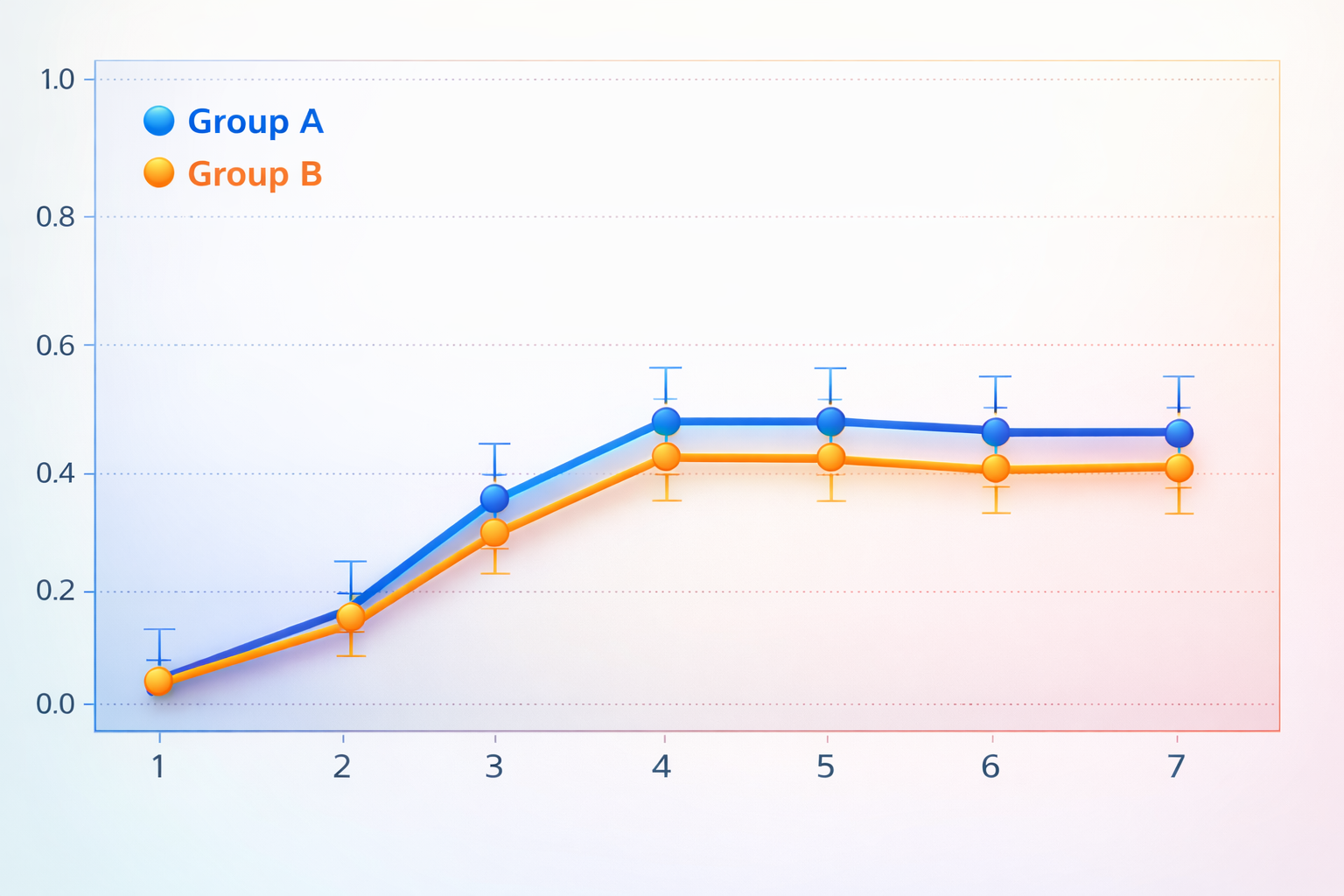
Longitudinal Analyses of Religious and Spiritual Development among Seminary Students
Longitudinal study of 119 graduate seminary students testing seven hypotheses from a relational spirituality model regarding intrinsic religiosity, questing, spiritual openness, well-being, and activity over time.
KEYWORDS: development; longitudinal; religion; seminary; spirituality; well-being