

Resource Hub
Browse the repository by scrolling through the available resources, filtering to narrow results by topic or audience, or using the search feature. Click on any resource to learn more and access it directly from its original source.

Spiritual Formation in Theological Education: A Multi-case Exploration on Seminaries and Student Development
Multi-case exploration of spiritual formation at four seminaries (Fuller, Truett, Talbot, TEDS) addressing the lack of institutional definitions of "personal and spiritual formation" under ATS 2020 standards.
KEYWORDS: character/virtue; spiritual formation; theological education

The Impact of Financial Health on the Spiritual, Mental, and Relational Health of Christian Graduate Students
DESCRIPTION: Financial stress can affect seminary students across multiple dimensions of well-being, including spiritual, mental, and relational health. Using data from 189 students at five theological seminaries, this study examines whether spiritual health helps explain how financial stress relates to broader health outcomes. Structural equation modeling found that spiritual health accounted for part of the negative relationship between financial stress and both mental and relational health. The authors suggest that supporting students’ spiritual health may be an important component of interventions aimed at improving the holistic well-being of seminarians facing financial strain.
KEYWORDS: financial health; financial stress; holistic health; mental health; relational health; seminary students; spiritual health; student debt; student well-being; theological education

Experiential Avoidance Mediates the Relationship between Prayer Type and Mental Health before and through the COVID-19 Pandemic
DESCRIPTION: This longitudinal study examines how different types of prayer relate to anxiety, depression, and burnout among 564 seminary students from 17 theological schools. Colloquial, liturgical, and meditative prayer predicted lower experiential avoidance, which in turn was associated with fewer mental health symptoms; petitionary prayer showed no significant direct or indirect effects. The findings suggest that prayer practices may contribute to spiritual and character formation partly by helping seminarians remain engaged with difficult thoughts and emotions rather than avoiding them, with implications for student formation, mentorship, and well-being.
KEYWORDS: anxiety; burnout; character formation; COVID-19; depression; experiential avoidance; mental health; prayer; psychological flexibility; seminarians; spiritual formation; spiritual practices; student well-being

Embodied Virtue: A Model of Virtuous Caring for Practical Theology and Christian Formation
Practical theology article proposing a virtue-based model of caring and Christian formation grounded in moral psychology and Wesleyan thought.
KEYWORDS: open access / free access; generative care virtues of generative care; journal article; moral likeness model of spiritual maturity; practical theology; Wesley's affectional moral psychology

The Experience of Financial Well-Being, Shame, and Mental Health Outcomes in Seminary Students
DESCRIPTION: Financial hardship can affect seminary students in ways that extend beyond material strain. Drawing on a sample of 189 graduate students from ATS-accredited seminaries, this study examines relationships among financial well-being, shame, depression, anxiety, and spiritual well-being. The findings show that lower financial well-being was associated with greater shame, which in turn mediated relationships between financial distress and depression, anxiety, and spiritual well-being. The authors suggest that shame may be an important mechanism for understanding the broader psychological and spiritual effects of financial hardship and student debt among seminarians.
KEYWORDS: anxiety; depression; financial distress; financial well-being; mental health; seminary students; shame; spiritual well-being; student debt; student well-being
Measures of Spirituality/Religiosity (2018)
Special Issue (book/journal reprint) of established and newly-developed instruments for measuring spirituality and religiosity across diverse populations, traditions, and clinical contexts, serving as a resource for spiritual care research.
KEYWORDS: open access / free access; active duty military / veterans; attachment theory; Attachment to God Inventory (AGI); attitudes toward religion; Catholics; clinical setting; elderly; evaluation; exploratory factor analysis; factorial structure; gratitude; growth; healthy persons; Islam; measurement; moral injury; Muslims; post-traumatic stress disorder; psychometric properties; questionnaire; religiosity; religious beliefs; scoping review; Spiritual Health and Life-Orientation Measure (SHALOM); spiritual jihad; spiritual needs; spiritual struggles; spiritual well-being; spirituality; structural equation modeling (SEM); styles of attachment; transcultural adaptation; validation

Measuring the Spiritual, Character, and Moral Formation of Seminarians: In Search of a Meta-Theory of Spiritual Change
Conceptual article proposing a meta-theory of positive spiritual change to undergird the development of a generalizable, reliable measurement tool for spiritual, character, and moral formation in seminarians.
KEYWORDS: psychology of religion; spiritual assessment; spiritual formation; spirituality
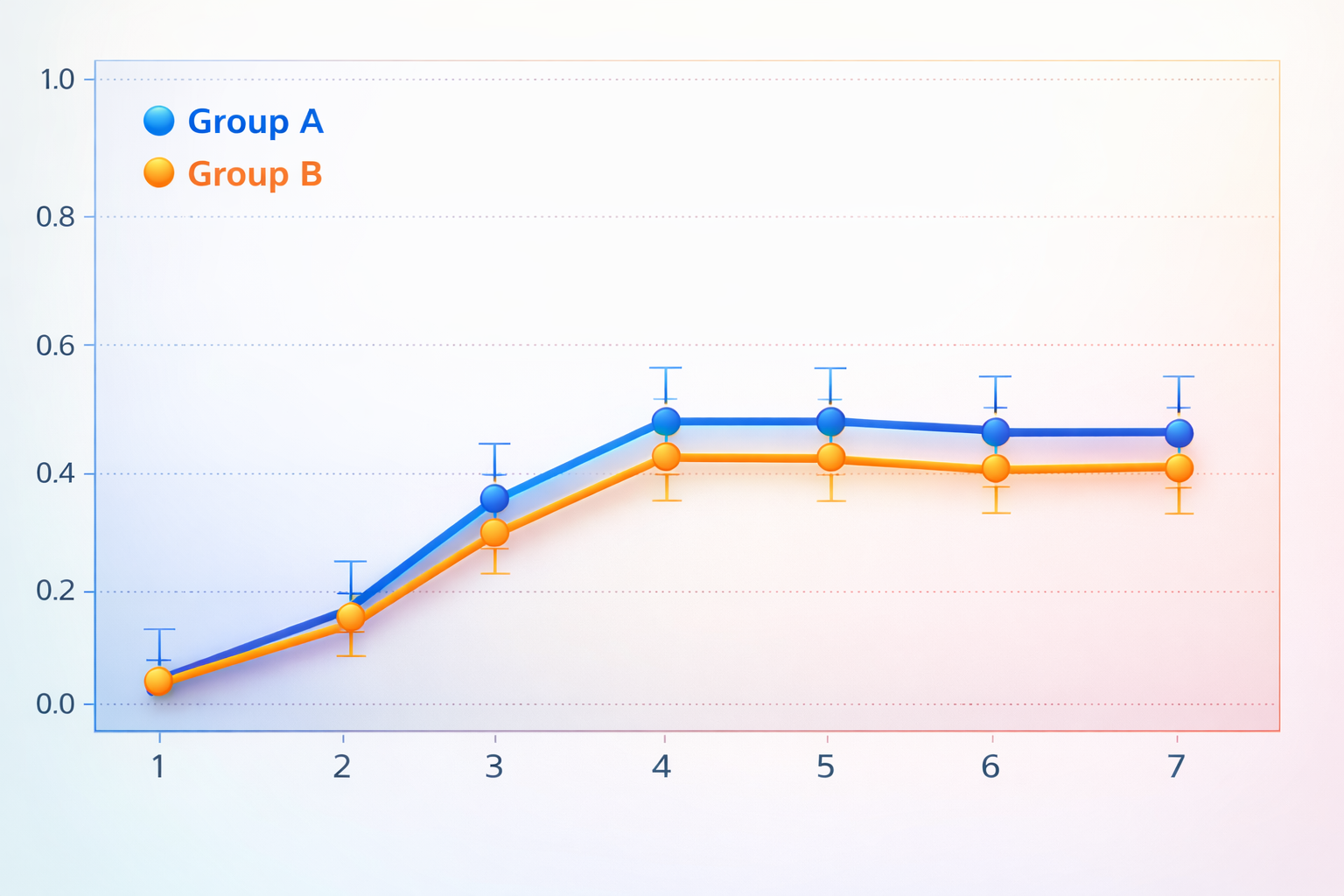
Longitudinal Analyses of Religious and Spiritual Development among Seminary Students
Longitudinal study of 119 graduate seminary students testing seven hypotheses from a relational spirituality model regarding intrinsic religiosity, questing, spiritual openness, well-being, and activity over time.
KEYWORDS: development; longitudinal; religion; seminary; spirituality; well-being

Co-Workers in the Vineyard of the Lord: A Resource for Guiding the Development of Lay Ecclesial Ministry
USCCB pastoral resource (2005) guiding the development of lay ecclesial ministry through integral formation, theological preparation, professional competence, certification, and pastoral collaboration.
KEYWORDS: agents of formation; Catholicism; certification and credentialing; formation pathways; integral formation; lay ecclesial ministry; pastoral collaboration; professional competence; spiritual development; theological preparation; vocation